
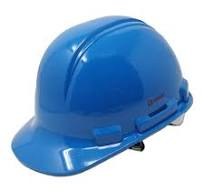
Why Safety Helmets are Non-Negotiable
A safety helmet, often called a hard hat, is a type of personal protective equipment (PPE) designed to protect the head from injuries. In environments like construction sites, warehouses, and industrial facilities, the risk of falling objects, impact with fixed objects, and electrical hazards is ever-present. A properly worn safety helmet is the primary defense against severe head trauma, concussions, and even fatal accidents.
Key Components of a Safety Helmet
While designs vary, most safety helmets consist of four main parts:
- Shell: The rigid outer body that deflects falling objects and dissipates the force of an impact.
- Suspension System: The internal webbing that creates a space between the shell and the wearer's head. This system absorbs and distributes impact energy.
- Harness: The assembly that connects the suspension system to the shell, allowing for adjustment to achieve a secure and comfortable fit.
- Brim: The protruding edge around the bottom of the helmet, which helps shield the face and neck from sun, rain, and falling debris.
Understanding Helmet Types and Classes
Not all helmets are created equal. They are categorized to handle specific hazards:
- Type I: Offers protection from impacts to the top of the head.
- Type II: Provides protection from both top and lateral (side) impacts.
Additionally, they are classified by electrical rating:
- Class G (General): Protects against low-voltage electrical conductors (up to 2,200 volts).
- Class E (Electrical): Provides protection against high-voltage electrical conductors (up to 20,000 volts).
- Class C (Conductive): Offers no electrical protection but is often lighter and well-ventilated.
Proper Use and Maintenance
To ensure optimal protection, follow these guidelines:
- Always inspect your helmet before use. Look for cracks, dents, or any signs of damage to the shell or suspension.
- Ensure a proper fit. The helmet should sit level on your head and feel snug without being uncomfortable.
- Clean the helmet regularly with mild soap and water. Avoid harsh chemicals that can degrade the shell material.
- Store the helmet in a cool, dry place away from direct sunlight, which can weaken the plastic over time.
- Replace the helmet immediately after a significant impact, even if no damage is visible, and replace the suspension system periodically as recommended by the manufacturer.
Conclusion
A safety helmet is a simple yet profoundly effective piece of safety equipment. By understanding its components, selecting the right type for the job, and maintaining it correctly, workers can significantly reduce the risk of life-altering head injuries. In safety, there is no compromise, and wearing a helmet should be as automatic as breathing on a worksite.